China Top Vending Machine Business Manufacturers?
Choosing the right China vending machine manufacturer requires more than comparing attractive catalog photos. The phrase “top” is not fixed. It should reflect verified production experience, product quality, customization ability, and dependable after-sales support. This introduction explores how leading suppliers serve the Vending Machine Business, from compact snack cabinets to refrigerated machines with touchscreens and cashless payment systems. A reliable factory should explain its compressor performance, payment compatibility, software controls, and maintenance process in clear language. It should also provide practical evidence, such as factory videos, test reports, sample units, and client references.
Details matter here. A machine placed in a busy railway station faces different demands from one inside a quiet office. Door durability, temperature stability, screen brightness, and restocking speed can affect daily revenue. Certifications and export experience also deserve careful review, although paperwork alone cannot prove long-term reliability. Ask about spare parts availability, remote monitoring, warranty coverage, and response times before signing an agreement. Small questions prevent expensive surprises.
The best choice depends on location.
Some manufacturers may offer excellent hardware but limited software support. Others may customize quickly but lack strong overseas service teams. That trade-off is easy to overlook. Therefore, this guide compares China’s notable vending machine manufacturers through practical, transparent criteria. It aims to help buyers identify suitable partners, reduce avoidable risks, and build a more stable Vending Machine Business. Real performance still needs testing. Claims should be checked.
What Defines a Leading Vending Machine Manufacturer in China?
China Top Vending Machine Business Manufacturers
A leading vending machine manufacturer is defined by more than factory size or export volume. Practical experience matters. Engineers should understand product temperature, payment behavior, restocking routines, and frequent outdoor use. A strong manufacturer tests machines with real product weights, repeated door openings, and unstable network conditions. Small details reveal competence.
Reliable production also depends on traceable materials and consistent quality control. Look for documented inspections, electrical safety testing, software updates, and clear spare-parts support. The manufacturer should explain its warranty process without vague promises. It should also protect customer data and follow applicable market requirements. No factory is flawless. Even experienced teams may miss a drainage issue or underestimate maintenance time. Honest manufacturers record these problems and improve their designs.
Tips: Ask for factory videos, sample test reports, and installation records. Request a live demonstration. Check noise levels, cooling recovery, screen response, and payment security. Compare replacement-part prices before signing. A useful supplier will discuss failures, not only successful shipments. Ask who handles technical support after delivery. Also, verify production capacity during busy seasons, because impressive samples do not always reflect daily output.
Key Types of Vending Machines Produced by Chinese Manufacturers
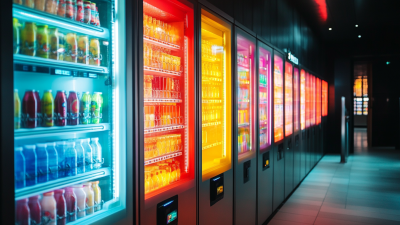
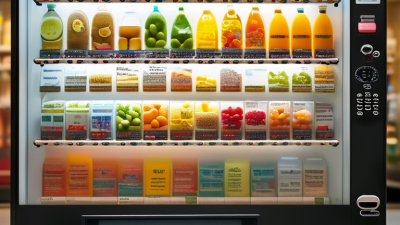
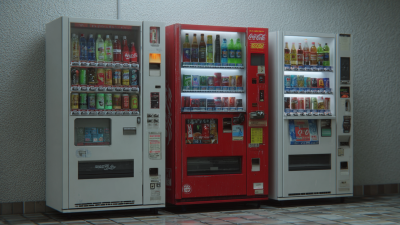
China’s vending machine manufacturers produce several practical formats for different retail environments. Snack and beverage machines remain the most recognizable, using spiral coils, glass fronts, and adjustable shelves. Combination machines add chilled drinks beside packaged snacks, saving floor space in offices, stations, and apartment lobbies.
Fresh-food machines require stronger temperature control and faster inventory rotation. They may sell salads, boxed meals, fruit, or dairy products through refrigerated compartments. Frozen-food models use low-temperature storage for ice cream and prepared items.
Coffee machines form another major category, combining bean grinders, boilers, milk systems, and touchscreen ordering. Small mistakes matter here. A warm refrigerator or poorly calibrated grinder can quickly damage customer trust.
Industry reports show why manufacturers keep expanding these categories. Grand View Research estimated the global vending machine market at about USD 21.8 billion in 2023, with continued growth expected through 2030. A 2024 analysis by Fortune Business Insights also identified cashless payment, remote monitoring, and automated retail as important growth drivers.
Chinese factories increasingly integrate QR payments, card readers, cloud telemetry, and energy-saving refrigeration. Smart lockers and robotic pickup cabinets are also gaining attention, especially for meals and temperature-sensitive products.
However, report definitions differ. Market figures may include machines, software, and related services, so buyers should compare specifications carefully. The best machine is not always the most automated one. Location, product size, cleaning access, power stability, and local service support still decide daily performance.
How Chinese Vending Machine Companies Manage Quality and Customization
China’s vending machine manufacturers increasingly compete through quality control and practical customization. Experienced factories usually begin with a requirement review, covering product size, temperature range, payment methods, and installation conditions. Engineers then build a prototype before mass production. This step reveals problems early.
Quality teams inspect sheet-metal thickness, door alignment, wiring, cooling performance, and sensor accuracy. Machines may run through repeated door-opening tests and temperature checks before shipment. Food-related models also require washable surfaces and stable temperature control. Production records, inspection photos, and component traceability improve accountability. Local certifications remain essential.
Customization can include screen language, compartment layout, branding panels, software interfaces, and energy-saving settings. However, customization is not always elegant. A special compartment may reduce storage capacity or make maintenance slower. One prototype can work well in a factory but fail in a busy station. Therefore, reliable suppliers test machines in conditions close to actual use. They also provide spare parts, remote diagnostics, manuals, and technician training. Clear communication matters. Small misunderstandings about voltage or delivery routes can create expensive delays. Chinese companies with stronger engineering teams usually balance appearance, durability, safety, and long-term service instead of chasing features alone.
China Vending Machine Manufacturing: Quality & Customization Reference Points
Temperature control is one of the most important quality requirements when customizing vending machines for different product categories. The reference limits below are technical storage thresholds commonly used for frozen and chilled food applications, not company or brand performance data.
Frozen food is commonly stored at −18°C or below, while chilled food is generally controlled at 8°C or below. In practice, manufacturers customize refrigeration systems, sensors, alarms, cabinet layouts, payment interfaces, and software according to the product mix and applicable regulations.
Factors for Evaluating and Selecting a Chinese Manufacturer
China Top Vending Machine Business Manufacturers?
Selecting a Chinese vending machine manufacturer requires more than comparing factory prices. Grand View Research valued the global vending machine market at approximately USD 21.05 billion in 2023. Its report also projected a 10.7% compound annual growth rate from 2024 to 2030. This growth increases supplier choices, but it also increases quality differences.
Request factory audit records, production photographs, and component traceability. Check whether metal panels, refrigeration units, screens, and payment modules come from stable suppliers. A low quotation can hide expensive replacements.
Ask for measurable operating evidence. Review product failure rates, average repair response time, temperature records, and spare-parts availability.
The machine should maintain stable cooling during a crowded afternoon, not only inside a quiet showroom. Request a pilot order of several units before signing a large contract.
Confirm compatibility with your payment system, local voltage, network standards, and software interface.
Intertek’s vending equipment testing guidance highlights electrical safety, mechanical hazards, and environmental performance as important evaluation areas. Certifications matter, but their scope matters more.
Do not trust polished samples alone. Visit a working installation if possible. Speak with technicians, not only sales staff.
No audit is perfect. My own evaluation would still leave room for error, especially when forecasts and factory claims differ.
Compare total ownership cost over three years, including freight, customs, maintenance, energy use, and discarded inventory.
Mordor Intelligence also reports continued market expansion, yet demand varies sharply by location and product category. A capable manufacturer should explain those risks clearly. A vague promise is not technical support.