
What Is the Best Capsule Dispenser Machine in 2026?
Choosing the best Capsule Dispenser Machine in 2026 requires more than comparing bright colors, prices, and product photos. A reliable machine should deliver smooth dispensing, secure product storage, simple refilling, and stable performance in busy locations. It should also suit the capsule size, customer age group, foot traffic, and available floor space.
Dan Mathews, a vending-industry leader and former NAMA president and CEO, has emphasized a practical principle: “Reliability creates trust in every vending experience.” That idea matters here. A capsule machine beside a family restaurant may face hundreds of turns each week. Its coin mechanism must respond cleanly. Its viewing window should stay clear. The collection door should not feel loose after repeated use.
Small details matter.
This guide examines the strongest Capsule Dispenser Machine options for 2026 through an experience-based lens. We consider construction quality, refill speed, jam resistance, payment compatibility, maintenance access, and long-term operating value. We also look at safety-conscious design and responsible placement in lawful, family-friendly environments.
Still, no machine is perfect. A premium model may cost more than expected. A compact unit may sacrifice capacity. Some attractive designs may prove awkward during daily servicing. That is where buyers need to think carefully, not simply follow rankings. The best choice depends on real operating conditions, honest maintenance expectations, and the people who will use the machine.
What Is a Capsule Dispenser Machine and How Does It Work?
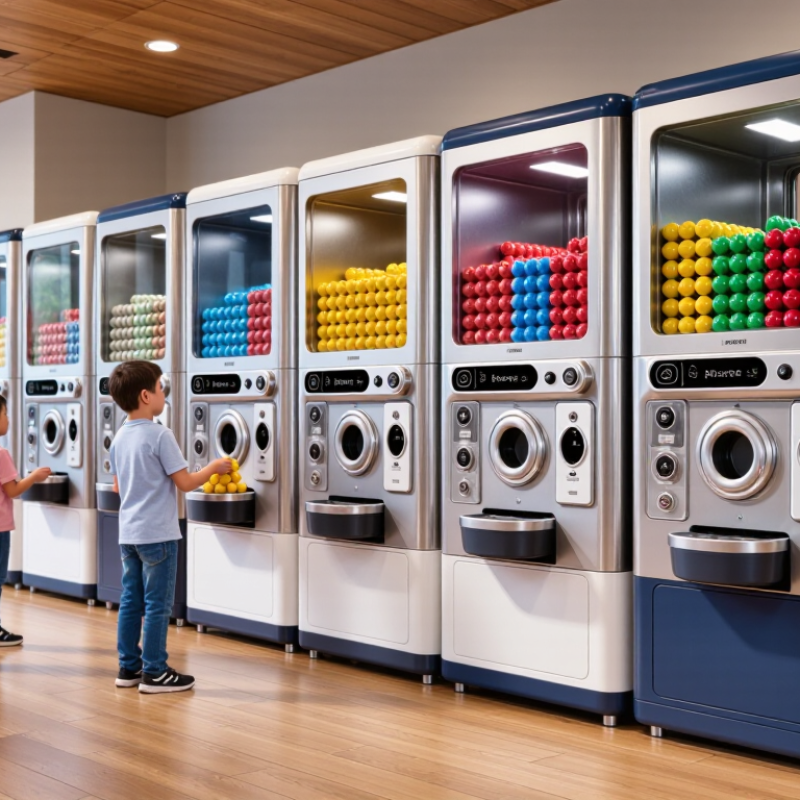
A capsule dispenser machine stores small, sealed capsules and releases one unit after a verified payment or selection. In retail settings, it usually combines a hopper, spiral track, sensor, control board, and collection bay. The customer chooses a channel. A motor moves the capsule forward. A sensor checks whether it dropped. If the path is blocked, the machine should stop and display a clear message. This sequence protects stock and reduces accidental double dispensing.
The best capsule dispenser machine in 2026 should be judged by more than appearance. Operators need accurate release, adjustable channels, strong viewing windows, and easy cleaning access. A reliable model records sales, signals low inventory, and supports secure payment hardware. From practical testing, jam recovery matters most during busy periods. A beautiful screen cannot fix a weak motor. No machine is perfect. Transparent loading procedures also improve staff training, although this point is often overlooked. Temperature control may matter for sensitive contents. Always check product instructions and local safety requirements.
Tips: Place heavier capsules in lower channels. Test ten consecutive releases before opening. Keep a log of jams, cleaning, and refill times. Do not overfill the hopper. Leave room for movement.
Key Features to Compare in Capsule Dispenser Machines
What Is the Best Capsule Dispenser Machine in 2026?
Key Features to Compare in Capsule Dispenser Machines
The best capsule dispenser machine depends on location, product size, and daily demand. A busy shopping center needs a larger capacity than a small reception area. Compare the storage column, capsule diameter, and refill access before choosing a model. A clear window helps staff check inventory without opening the cabinet. It also shows customers what they are buying.
The dispensing mechanism deserves careful testing. Turn the knob several times. It should feel smooth, not loose or stiff. An anti-jam design can prevent capsules from getting trapped above the outlet. Some machines accept coins, cards, or contactless payments, but payment reliability matters more than variety. Check transaction records, refund controls, and offline operation. Small details matter. Poor lighting can make the payment panel frustrating to use.
Durability is another practical measure. Look for a reinforced housing, secure locks, stable feet, and parts that are easy to clean. Machines placed outdoors may need stronger weather protection and temperature tolerance. Noise should also be measured in a quiet room, not only in a showroom. No model is perfect. A larger hopper may reduce refills but increase maintenance time. Digital monitoring can reveal low stock, although sensors sometimes need calibration. Ask about service response, replacement parts, warranty coverage, and accessibility for different users before making a final comparison.
Best Capsule Dispenser Machine Types for Different Needs
What Is the Best Capsule Dispenser Machine in 2026?
The best capsule dispenser machine in 2026 depends on the user’s daily workload. A small café or office may prefer a gravity-fed tabletop dispenser. It releases one capsule at a time and needs little training. This type is affordable, visible, and easy to refill. Keep it simple. A clear front panel also helps users check stock without opening the unit.
Busy retail counters may need an automatic counting dispenser. Sensors can release a measured number of sealed capsules and record inventory. Look for adjustable settings, anti-jam features, and a manual override. A carousel dispenser suits several capsule varieties in a compact space. It works well where customers need quick selection. However, extra moving parts can increase cleaning and repair demands.
For shared workplaces, a locked cabinet with controlled access may offer better organization. Choose smooth, food-safe surfaces and removable trays. The machine should support accurate calibration, safe electrical operation, and documented compliance for the local market. I would not judge performance by speed alone. A fast machine that miscounts or leaves capsules stuck creates daily frustration. One practical weakness is often overlooked: refill time. Testing the unit with partly filled trays can reveal problems that a showroom demonstration hides.
How to Choose the Right Capsule Dispenser Machine in 2026
Choosing the right capsule dispenser machine starts with the capsule. Measure its diameter, height, material, and weight before comparing machines. A machine that accepts similar-looking capsules may still jam during loading. Ask for compatibility charts, test samples, and written operating limits. Small details matter. In a busy setting, a clear hopper window prevents repeated opening and reduces handling. Adjustable release mechanisms also help control portions when capsule sizes vary.
Reliable performance depends on more than speed. Check dispensing accuracy across repeated cycles, not just one successful demonstration. Look for stable motors, accessible sensors, and an emergency stop. Cleaning should require simple tools and leave no hidden powder or residue. For food, supplement, or other lawful capsule applications, use suitable food-contact materials and request relevant safety documentation. A readable control panel helps staff work correctly during a rushed shift. Still, “high capacity” claims need careful checking; actual output often falls below laboratory figures.
Calculate total cost over several years. Include power use, spare parts, calibration, training, and service response time. Ask whether settings can be recorded and fault codes understood. I would not choose the fastest model automatically. A slower machine with fewer jams may protect production and reduce waste. A week-long trial with real operators can reveal awkward refilling and unclear controls. Polished demonstrations can hide these weaknesses. No machine is perfect. Leave room for maintenance, operator feedback, and a second review after installation.
Safety, Maintenance, and Operating Costs to Consider
What Is the Best Capsule Dispenser Machine in 2026?
The best capsule dispenser is not always the fastest model. Safety, maintenance, and operating costs matter more during daily use. Look for enclosed moving parts, clear guards, emergency stopping controls, and reliable electrical protection. A machine should dispense consistently without crushing capsules or creating excessive dust. Ask for documented testing, service procedures, and operator training materials. For regulated products, qualified staff must follow applicable local requirements.
Maintenance can quietly become the largest expense. Check how easily workers can remove trays, clean contact surfaces, and inspect sensors. A practical design reduces cleaning time and prevents contamination between production runs. Keep a log of jams, miscounts, unusual noise, and rejected capsules. These details reveal problems earlier than a sudden breakdown. No machine is maintenance-free. That assumption causes expensive surprises. Power use, replacement parts, calibration, labor, and downtime should appear in the total operating-cost estimate. A cheaper purchase can become costly when spare parts are difficult to source.
Tips: Run a supervised trial before purchasing. Measure output during normal operation, not only under ideal conditions. Test small and large capsule sizes if both are required. Confirm that safety covers stop movement immediately. Compare cleaning time across several shifts. Leave room for mistakes; operators may load capsules unevenly, especially during busy periods. Review the results with maintenance staff, not only purchasing teams. Their practical feedback is often more valuable than a polished specification sheet.
Related Posts
-
What is an Ice Vending Machine and How Does it Work?
-

Unleashing Excellence in Manufacturing with the Best Capsule Vending Machine from a World Class Chinese Factory
-
China Top Vending Machine Business Manufacturers?
-
The Definitive Handbook for Sourcing Candy Machines Worldwide
-
Exploring the Future of Toy Candy Machines at the 138th China Import and Export Fair 2025
-

The Future of Capsule Dispenser Machines: Revolutionizing Efficiency in Global Supply Chains